DeRidder Electrician for Safe Electrical Installations
Trustworthy Electrician Solutions: Amplify Your Home With Security
Skilled electrical contractor services are essential for sustaining a secure and streamlined household space. Homeowners regularly face diverse electrical issues that require professional expertise. Understanding the importance of competent professionals can influence decisions about repairs and upgrades. As electrical infrastructures age or face difficulties, the imperative for expert guidance becomes more transparent. What should homeowners evaluate when choosing a reputable electrical professional? The insights may astound you.
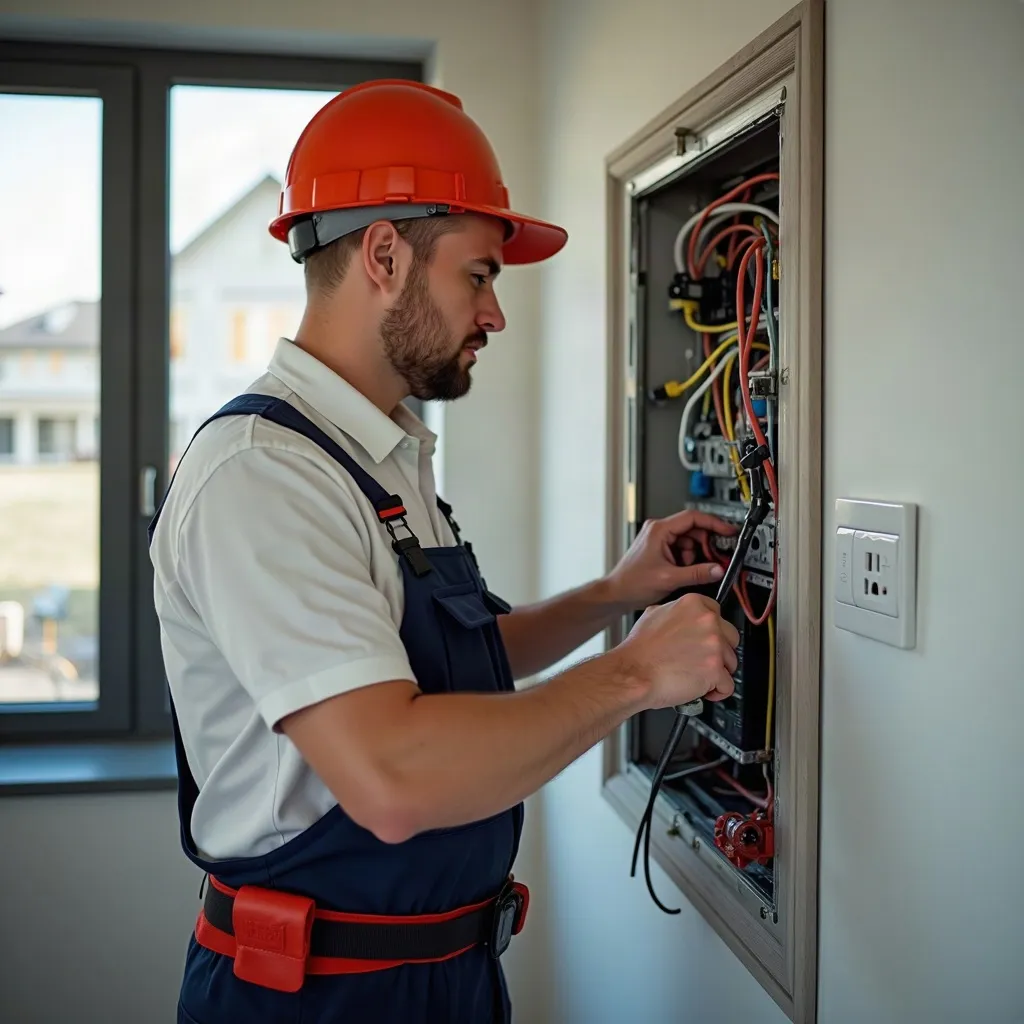
Why Consistent Electrician Offerings Make a Difference
A trustworthy electrician provider is crucial for maintaining security and performance in both domestic and business settings. The importance of employing skilled experts cannot be overstated, as faulty electrical labor can result in hazardous circumstances, such as fires and electrical shocks. Licensed electricians have the necessary education and expertise to identify issues and implement successful solutions, thereby protecting assets and occupants.
Furthermore, reliable support extend the long-term viability of electrical systems. Ongoing care and swift repairs keep small problems from becoming expensive crises. Additionally, qualified technicians keep abreast with the latest standards and compliance rules, ensuring adherence and superior operation of electrical installations.
In an era increasingly structured around presentation electricity, trustworthy providers deliver comfort. Residents and commercial leaders are able to complete their duties, assured that their power setups rest in capable hands. To summarize, choosing professional electrician support elevates both protection and performance, positioning this as a essential element for any building owner.
What Electrical Issues Require a Professional?
In regard to electrical problems, certain issues clearly indicate the requirement for professional intervention. Frequent breaker malfunctions, flickering or dimming lights, and old electrical wiring create safety risks and can result in more substantial harm if not handled promptly. Recognizing these indicators can help homeowners make informed decisions about when to contact a professional.
Frequent Circuit Breaker Trips
Frequent activations of the circuit breaker can point to underlying power problems that need professional attention. This repeated issue may suggest an overloaded circuit, where too many devices consume electricity at the same time, overloading the electrical system. Furthermore, faulty wiring or broken wiring can cause shorts, forcing the breaker to trip as a safety precaution. Sometimes, a malfunctioning breaker itself might be the cause, requiring replacement. Homeowners should also keep in mind that outdated electrical panels might not be able to handle today's power demands effectively, posing safety hazards. Ignoring these signs can lead to greater dangers, including electrical fires. Hiring a qualified electrician ensures these issues are properly diagnosed and fixed, restoring safety and dependability to the home's electrical system.
Flickering Or Dimming Lights
Flickering or dimming lights are often a sign of electrical problems beneath the surface that demand expert assessment. These symptoms can suggest loose wiring connections, which may lead to further complications if not handled quickly. Additionally, an overstretched electrical circuit can cause lights to fluctuate, suggesting that the power system is having difficulty fulfilling the load. In some cases, a broken light fixture or bulb may be the culprit, but it is crucial to rule out more serious issues. Homeowners should not overlook these signs, as they can cause electrical hazards. Hiring a certified electrical professional ensures a comprehensive evaluation and secure fix, enabling a dependable and consistent lighting environment. Prompt action can avoid possible dangers and expensive fixes.
Aging Electrical Setups
Aging wiring infrastructure can create major safety concerns, as they generally do not meet modern power demands. Houses with outdated electrical systems may face regular blackouts, dimming lights, or even fire hazards because of excessive heat. These installations could contain aluminum wiring or obsolete breaker panels, which cannot support the load of modern devices and equipment. Furthermore, aging electrical setups may lack grounding, heightening the threat of shock or electrocution. Property owners should monitor closely signs of wear, including damaged conductors or frequent activation of circuit breakers. Hiring a qualified electrical expert is vital for assessing the integrity of the wiring and ensuring that safety standards are satisfied, ultimately defending both the dwelling and its residents.
Key Qualifications for Choosing an Electrician
When selecting an electrician, it is essential to evaluate several important qualifications that ensure safety and reliability. First and foremost, a valid license is necessary; it demonstrates that the electrician has met the required training and has the proper expertise. Additionally, insurance coverage is crucial, as it shields both the electrician and the homeowner from possible liabilities during the job. Experience also plays a considerable role; seasoned electricians are more likely to handle various situations effectively. Furthermore, knowledge of local codes and regulations ensures compliance and safety. Certifications from reputable organizations can further validate an electrician's skills and commitment to ongoing education. Finally, effective communication skills are essential, as they enable a clear understanding of project requirements and expectations. By focusing on these qualifications, homeowners can make knowledgeable decisions and confirm their electrical needs are met with confidence.
Assessing Electrician Testimonials
Reviewing electrical contractor evaluations offers valuable insights into the reliability of services. Credible opinions from former clients can substantially affect your choices. Analyzing quality assessments enables potential clients locate the most respected electrical experts in their area.
Relevance Of Genuine Analysis
Trust is essential when choosing dependable electrician services, and evaluating reviews plays a crucial role in building that trust. Reviews provide potential customers insights into the experiences of previous clients, showing the strengths and weaknesses of various electricians. A series of positive feedback can indicate a contractor's reliability, professionalism, and quality of work, while negative reviews may expose red flags such as poor communication or low-quality service. It’s important to consider the context of these reviews, as individual experiences can vary significantly. By reviewing a range of feedback, individuals can make informed decisions, ensuring they hire a trustworthy electrician who aligns with their specific needs and expectations, ultimately preserving their home’s electrical integrity.
Assessing Service Ratings
Analyzing customer reviews is a vital step in choosing an electrician who fulfills requirements. Prospective homeowners often rely on online reviews to gauge the level of work delivered by electrical professionals. These ratings provide information into dependability, expertise, and workmanship. A thorough review of favorable and unfavorable comments can uncover patterns in an electrician's work, helping to identify strengths and weaknesses. It is important to consider the volume of ratings as well; a high rating based on numerous evaluations typically suggests consistent quality. Additionally, detailed feedback about punctuality, interaction, and ability to resolve issues can provide valuable context. By carefully evaluating service ratings, property owners can choose wisely, guaranteeing they choose a qualified professional for their electrical requirements.
The Advantages of Choosing Qualified and Covered Electricians
When appraising electrical work, the importance of contracting licensed and insured electricians cannot be overstated. Licensed electricians have undergone in-depth preparation and schooling, pledging they are conversant with current codes and safety norms. This competence minimizes the risk of faults that could trigger hazards, such as fire hazards or electrical contact.
Insurance serves a essential role in safeguarding both the homeowner and the electrician. Should an accident happen during the job, having insurance ensures that any damages or injuries are covered, lessening financial burdens. Additionally, hiring licensed professionals often comes with the guarantee of warranties on their work, offering peace of mind for homeowners.
Ultimately, selecting certified and covered electrical professionals improves the reliability and safety of electrical services, fostering trust in the work being performed. This choice not only secures the soundness of the home's electrical system but also promotes a safer living environment for all occupants.
What to Anticipate During an Electrician Meeting
During an electrical consultation, property owners can expect a comprehensive assessment of their power requirements and concerns. The electrical specialist will typically start by discussing any particular problems the property owner has faced, such as lights that flicker or insufficient power outlets. This exchange permits the electrical professional to understand the context and importance of the condition.
Subsequently, a comprehensive assessment of the property's electrical system will be conducted, taking into account the wiring, circuit breakers, and outlets. The electrician may also assess the overall safety of the electrical installations. Based on these observations, they will provide recommendations customized to the homeowner's needs, which may include upgrades or repairs.
Homeowners should also expect to get helpful guidance on power conservation and safety compliance. This meeting serves as a crucial step in establishing a clear plan for any required repairs, ensuring that homeowners feel informed and confident in their decisions going ahead.
Pricing Considerations for Employing Electricians
What elements affect the cost of hiring an electrician? Several elements play a vital role in determining the overall expense. First, the intricacy of the job significantly influences rates; intricate tasks such as re-wiring or installing new installations generally demand more time and expertise. Additionally, geographic location may influence rates, as urban areas typically see elevated labor expenses versus rural regions. The electrician's background and credentials also factor into rates; more seasoned experts often command increased fees due to their specialized skills.
The materials and equipment needed for a project add to the overall expense, especially if high-quality or specialized products are necessary. Furthermore, the time of year can influence stock and pricing, with busy periods occasionally causing increased costs. Homeowners should evaluate these elements and obtain several estimates to ensure they receive reliable service at a reasonable price.
Regularly Asked Questions
How Can I Discover an Electrical Technician in My Neighborhood?
To locate an electrician in the area, one should search internet listings, solicit recommendations from friends or neighbors, and read local reviews. Ensuring appropriate licensing and insurance is also necessary for protection and consistency.
What Must I Do When Experiencing an Electrical Urgent Situation?
In case of an electrical emergency, individuals should immediately turn off the power at the circuit breaker, avoid using water, and refrain from touching downed wires. Afterward, reach a qualified electrician for assistance and safety evaluation.
Is It Lawful for Me to Perform My Own Electrical Repairs Myself?
Legally, individuals can perform their own electrical work in many regions, but specific codes and regulations often exist. It is crucial to understand regional regulations and safety guidelines to prevent potential hazards and legal problems.
Electrical jobs generally take how long?
Electrical work typically takes anywhere from a few hours to several days, depending on how complex the job is. Basic repairs might be swift, while implementations or extensive rewiring can necessitate significant time and planning.
What Protections or Assurances Do Electricians Deliver?
Electricians commonly provide warranties on parts and labor, which can span one to several years. Warranties may also include workmanship, guaranteeing fixes meet specific standards, giving customers with confidence regarding their electrical systems.